


Orthotics are prescribed and constructed by Podiatrists and are specially designed devices that are worn inside the shoe in order to control abnormal foot function and/or accommodate painful areas of the foot.
Foot orthotics work by compensating for impaired foot function by controlling abnormal motion across the joints of the foot. This results in a dramatic improvement/resolution in symptoms.
There are varying types of orthotics, and your Podiatrist will be able to advise and help navigate the most suitable option for you.
Many different materials can be utilised, such as rubber, cork, leather, and soft synthetic plastics. Your podiatrist is in the unique position of being able to evaluate, diagnose, and treat your foot or leg problems by selecting the best material, shape and prescription for your feet.
- Functional foot orthotics are usually made from rigid materials, such as plastics and carbon-fibre composites. They are constructed upon a plaster impression of the feet, and modified based on the podiatrist’s evaluation of the problem. They are usually quite comfortable, and do not feel hard or uncomfortable in the shoe.
- Rigid orthotics normally last for years; additions such as top covers and extensions may require periodic replacement. Some patients, for example the very elderly, may not tolerate rigid functional orthotics. Under these circumstances, the podiatrist may prescribe an orthotic made from softer materials with special accommodations for painful areas.
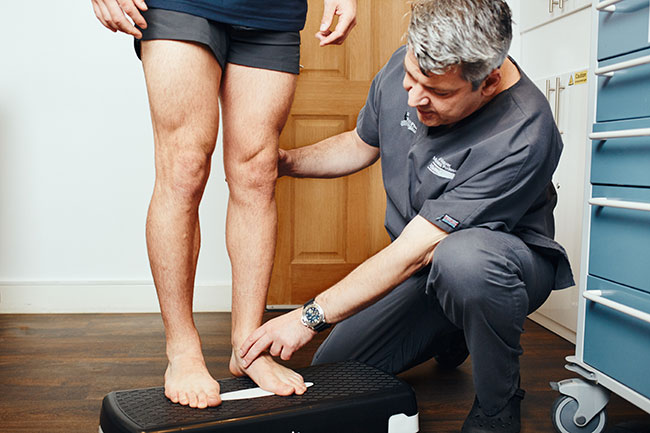
Prescription Orthotics.
The orthotic prescription is customised to the patients needs. The contours of the plate can be modified to enhance control. Rearfoot and forefoot posts may provide additional control and correct for positional abnormalities. Orthotics may be customised for certain types of shoes or particular activities, such as dancing.
Prefabricated Orthotics.
Prefabricated foot orthotics are useful for treating a range of minor foot and leg ailments. They are fabricated using computer generated data. The data is based on biometric information gained from the analysis of tens of thousands of actual feet with pronation problems.
They are not however designed to replace bespoke prescription orthotics. In the same way you would not attempt to treat a complex eye disorder by using reading glasses such as those sold in supermarkets you should not attempt to self treat complex biomechanical issues with off the shelf orthotics. However they are useful for a wide range of conditions particularly if they have not become chronic in nature.
The shape and design of orthotic devices may differ depending on requirements
Costs:
- Consultation for £95.00
- Prefabricated Insoles £80.00 to £120.00
- Prescription Custom Casted Orthotics £450.00-£550.00